

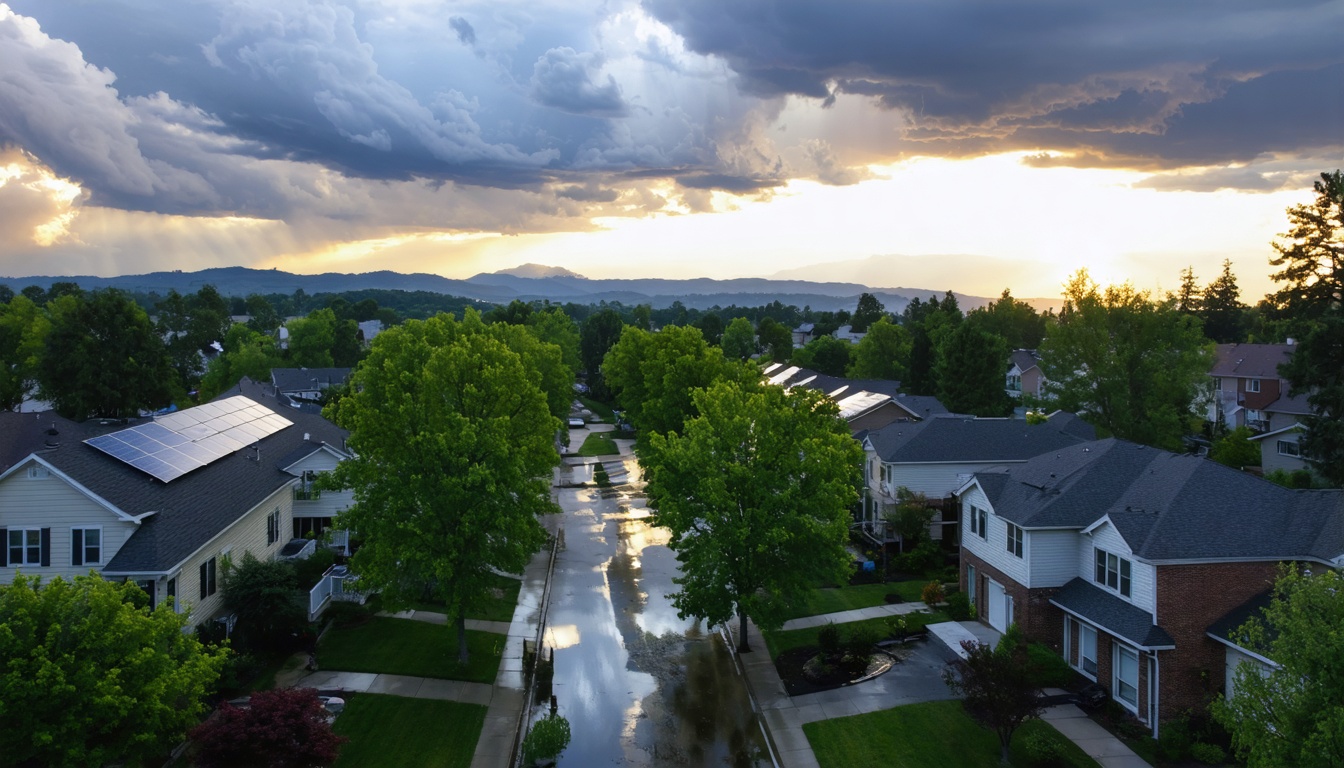
How Local Weather Shapes Solar Energy Decisions in the United States
When assessing the advantages of solar energy for residential or commercial properties, local weather conditions play a significant role in the decision-making process. Factors such as the amount of sunlight received, the prevalence of storms, and seasonal variations directly impact the effectiveness and economic viability of solar panels. In regions characterized by high levels of cloud cover or frequent severe weather events, such as hurricanes, the potential energy production from solar systems may be lower than in sunnier, more stable environments. This can lead to adjustments in cost-benefit analyses and return on investment calculations for prospective solar energy users. Additionally, solar panels are typically designed to withstand certain weather conditions, so understanding local climate patterns is crucial when choosing the appropriate technology and installation methodology. Potential buyers should also consider local incentives, energy costs, and the durability of solar systems in relation to the specific weather challenges of their area. Ultimately, local weather is a pivotal factor that influences the overall feasibility and performance of solar energy solutions.
Regional Sunshine Patterns and Solar Potential
The amount of sunlight that different regions receive is a critical factor in determining their solar energy potential. In the United States, states like Arizona and Nevada report high annual levels of solar radiation, making them suitable for solar energy generation.
Other states, including California and Texas, also play significant roles in the country's solar capacity, and engaging with experienced Solar Installers can help residents maximize potential cost savings and economic benefits.
The Department of Energy (DOE) provides a variety of resources, such as fact sheets and research projects, that focus on solar and nuclear power technologies.
These resources, available on official HTTPS websites, offer reliable information regarding advancements in energy technology, infrastructure improvements, and available opportunities within the solar energy sector.
This information aids in comprehensively understanding how regional sunlight patterns impact solar potential and the overall energy landscape.
Cloud Cover and Its Effect on Photovoltaic Performance
Cloud cover has a measurable effect on the performance of photovoltaic (PV) systems, primarily by diminishing the amount of sunlight that solar panels receive. On days with significant cloud cover, energy output from PV systems can be reduced by approximately 50%. This reduction is particularly pertinent for both residential and commercial users in the United States, as it directly influences potential energy savings.
To evaluate the feasibility of PV installations in a given region, it is beneficial to analyze local weather patterns. Resources from the Department of Energy, including factual reports and official government publications, can provide valuable insights. Such an analysis aids stakeholders in making informed decisions regarding solar energy investments.
The introduction of advanced technologies, such as bifacial solar panels, offers a potential method to reduce energy losses associated with cloud cover. Bifacial panels are designed to absorb sunlight from both the front and the rear, which can improve energy generation during overcast conditions.
Additionally, careful design and optimization of solar energy systems are essential for achieving consistent electricity output. This is important not only for supporting economic growth but also for enhancing national energy security.
A properly developed solar infrastructure has the potential to strengthen the resilience of energy systems across various sectors in the United States.
The Role of Extreme Weather Events in Solar Planning
The integration of solar energy into the power grid offers a pathway to enhance sustainability.
However, the potential impact of extreme weather events on solar systems requires careful consideration during the planning phase. Events such as hurricanes, snowstorms, and wildfires can significantly affect the performance and reliability of solar energy infrastructure, prompting the need for adjustments in the technologies used.
In the United States, the Department of Energy (DOE) and its Office of Electricity are conducting research and development focused on improving the resilience of solar infrastructure to withstand these extreme conditions. They provide resources such as fact sheets and press releases on official government websites, which serve to inform stakeholders about advancements in solar technology and best practices.
Utility operators also monitor national energy trends, with particular attention to periods of extreme heat, such as during the month of July, when electricity demand typically rises. This analysis is critical for managing emergency fuel reserves and ensuring the grid operates efficiently during adverse weather situations.
Furthermore, effective planning for solar energy deployment not only enhances resilience to extreme weather but also supports broader economic benefits.
Well-implemented solar strategies can lead to reduced household energy costs and improved energy security for many Americans, helping to mitigate the impact of environmental challenges on energy systems.
Community Solar Models for Diverse Climates
Community solar models offer a pragmatic solution for increasing access to solar energy in the varying climates across the United States. These shared solar installations enable participants to harness solar energy irrespective of the specific weather conditions in their area. By participating in community solar initiatives, households can reduce their energy expenses while contributing positively to local energy infrastructure.
The incorporation of energy storage technologies is essential to ensuring the reliable distribution of electricity generated by these solar arrays. Supported by the U.S. Department of Energy and various governmental entities, energy storage systems address the variability of solar power generation, promoting a stable energy supply in regions with inconsistent sunlight.
Current initiatives, as presented in various documents, illustrate the relevance of community solar in fulfilling the energy demands of both commercial and residential consumers.
These initiatives not only enhance the robustness of the electric grid but also stimulate economic development opportunities at local and national levels. By increasing the accessibility of solar energy, community solar programs have the potential to make a notable impact on the overall energy framework in the U.S., while providing a broader array of energy options for many households.
Economic Incentives Aligned with Local Climate Conditions
Economic incentives for solar energy in the United States are designed to reflect the varying local climate conditions across different regions. This strategy aims to encourage the uptake of solar technologies in areas where factors such as solar radiation levels support its viability.
Federal resources, particularly from the Department of Energy (DOE), highlight the potential for household savings and economic benefits, especially in locations with high solar exposure. Government websites that provide information on financial support and incentives for solar energy adhere to HTTPS protocols, ensuring secure access to such resources.
For example, California has implemented initiatives, including rebates, to promote the installation of domestic solar systems. These initiatives offer financial advantages to residents while supporting the development of advanced energy technologies.
Community solar projects are also significant in expanding access to consistent electricity for populations that may not be able to pursue individual solar installations. This approach not only enhances energy reliability but can also stimulate economic activity, even in areas with variable weather patterns.
In summary, the alignment of economic incentives with local climate conditions is crucial for maximizing the adoption of solar energy and achieving intended environmental and economic results.
Grid Reliability and Solar Resilience During Disruptions
The reliability of local electric grids during power outages is determined by various factors such as weather conditions, infrastructure quality, and energy resources available in the region. Extreme weather events, particularly high heat conditions, can significantly influence energy consumption and increase demand on the grid. In areas where solar energy technologies are effectively implemented, communities have the potential to bolster their energy resilience.
The Department of Energy (DOE) and the Office of Electricity are instrumental in facilitating the integration of solar and nuclear power systems into the existing grid framework. These technologies are designed to be flexible, addressing the unique energy requirements of local communities. For example, during high-demand periods, such as heat waves in July, solar power systems, especially those with energy storage capabilities, can serve as a source of backup power. This function is crucial for maintaining electrical service continuity amid potential disruptions.
Advancing innovation within energy infrastructure is vital for sustaining economic stability and promoting household savings. Research and development initiatives, supported by government resources, are essential for modernizing current systems and strengthening energy networks.
These efforts also contribute to national security by mitigating the risks associated with overreliance on traditional grid setups. Thus, a focused strategy on diversifying energy sources, particularly through solar power, is fundamental for the development of a resilient electric grid.
Environmental Benefits in Weather-Varied Regions
Regions across the United States exhibit diverse weather conditions that significantly impact the environmental benefits of solar energy implementation. States with high solar irradiance, such as Arizona and California, are well-positioned to maximize energy output from solar photovoltaic systems. This increased energy production can help reduce reliance on fossil fuels, potentially resulting in cost savings for residential consumers.
In contrast, areas with frequent cloud cover may take longer to realize the full benefits of solar energy. However, advancements in solar technology continue to improve performance and efficiency in these environments. Research and support from the Department of Energy (DOE) are instrumental in driving innovation in solar technology, which has positive implications for economic development. Such improvements can lead to enhanced air and water quality as solar energy replaces more polluting energy sources.
The integration of solar power contributes to the stability of energy systems, which is relevant for both national security and energy independence. Additionally, it has the potential to strengthen domestic production capabilities and create export opportunities in renewable energy technologies.
Access to reliable and accurate information via official online platforms is crucial in facilitating informed decisions regarding future energy strategies and sustainability initiatives.
Technological Innovations for Challenging Weather
Recent advancements in solar technology have improved the efficiency of solar energy capture, particularly in response to increasingly unpredictable weather patterns. Innovations in solar panel designs and tracking systems have been introduced to enhance energy collection capabilities even during overcast conditions and in colder climates.
The Department of Energy (DOE) and its various offices are actively involved in research initiatives aimed at bolstering the reliability of solar energy, thus increasing its accessibility for consumers. This effort is important for strengthening the existing electricity grid.
Integrated storage solutions are also key to providing reliable power to households and businesses, contributing to national energy security. These technological enhancements not only have the potential to reduce costs for consumers but also improve access to consistent electricity.
For more detailed information, it is recommended to reference official government websites that ensure secure communication through HTTPS protocols.
Case Studies of Solar Adoption Across Different Climates
Regional climate plays a crucial role in the adoption of solar energy throughout the United States. In states such as California and Florida, high solar irradiance levels contribute to significant savings for households, which can stimulate economic growth and enhance energy independence.
In contrast, northern states like Minnesota are expanding solar access through community solar programs, aligning with the priorities of the Department of Energy (DOE), which aims to increase renewable energy options for residents.
Texas is addressing issues related to reliability by implementing battery storage solutions. These technologies are designed to ensure consistent power availability during emergencies, which can be particularly important given the state's size and diverse energy needs.
In the Pacific Northwest, ongoing research and development, supported by various governmental agencies, seeks to address challenges associated with frequent rainy weather conditions that can impact solar energy generation.
As a growing number of Americans evaluate solar energy alongside nuclear and other renewable sources, national strategies are increasingly focused on ensuring the reliability of energy systems.
This includes support mechanisms tailored for both residential and commercial sectors, which are critical for advancing the infrastructure needed for future energy systems.
Conclusion
When evaluating the potential for solar energy at a home or business, it is essential to consider local weather patterns. Factors such as the amount of sunlight received throughout the year, the frequency and severity of storms, and seasonal variations play significant roles in shaping solar energy decisions and economic incentives. Understanding the influence of local weather on solar panel performance is crucial. For instance, regions with higher sunlight exposure generally yield better energy production from solar systems, while areas with frequent cloudy conditions may see reduced efficiency. Additionally, storm risks can impact the durability of solar installations, necessitating the selection of robust technology to withstand adverse weather. Advancements in solar technology and energy storage solutions have provided options that can mitigate some weather-related challenges. For example, improved battery systems allow for energy storage during periods of low sunlight, offering reliability regardless of local climate conditions. Smart planning and careful consideration of these factors can ensure that solar energy remains viable, regardless of geographic location in the United States. In summary, thorough analysis of local weather conditions is essential when making decisions regarding solar energy investments, as these conditions directly impact performance and resilience.